Gold365 Login vs Tiger Exchange Login – Complete Comparison Guide 2026
Introduction
In the rapidly evolving world of online trading, the gateway to any platform begins with a secure and user‑friendly login experience. As of 2026, two of the most talked‑about platforms among retail and professional traders are Gold365 and Tiger Exchange. Both boast advanced trading tools, competitive spreads, and robust market data, yet their authentication workflows differ in meaningful ways. This guide provides a side‑by‑side, in‑depth comparison of the Gold365 login process versus the Tiger Exchange login, covering everything from registration and security protocols to mobile accessibility and post‑login support. Whether you are a seasoned trader contemplating a platform switch or a newcomer seeking the most reliable entry point, the following analysis will help you make an informed decision.
Platform Overview
Gold365
Gold365 positions itself as a comprehensive gold‑focused trading hub, expanding its offering in 2026 to include cryptocurrencies, indices, and a suite of social‑trading features. The platform is regulated in several jurisdictions, emphasizing transparency and client fund segregation. Its branding revolves around simplicity—new traders can sign up within minutes, while experienced users benefit from customizable dashboards.
Tiger Exchange
Tiger Exchange, originally launched as a forex‑centric broker, has grown into a multi‑asset marketplace covering equities, commodities, and emerging‑market ETFs. The platform prioritizes high‑frequency traders with ultra‑low latency execution and a rich API ecosystem. Its regulatory footprint is broader than Gold365’s, covering North America, Europe, and Asia‑Pacific, which translates into a more layered compliance process during account creation.
Registration Process
Before any login can occur, a trader must complete the registration or sign‑up phase. Gold365 streamlines this step with a minimalistic form that asks for basic personal data, verification documents, and a preferred security question. Within five minutes, a user receives a verification email and can proceed to the platform.
In contrast, Tiger Exchange requires a more extensive onboarding questionnaire, including detailed financial suitability assessments and optional tax‑residency declarations for different jurisdictions. The verification can take up to 24 hours, depending on the submitted documentation. While this adds friction, it also satisfies stricter regulatory obligations.
For those ready to start with Gold365, the gold365 signup page provides a clear, step‑by‑step wizard that guides users through each requirement without unnecessary repetition.
Login Workflow Comparison
Gold365 Login
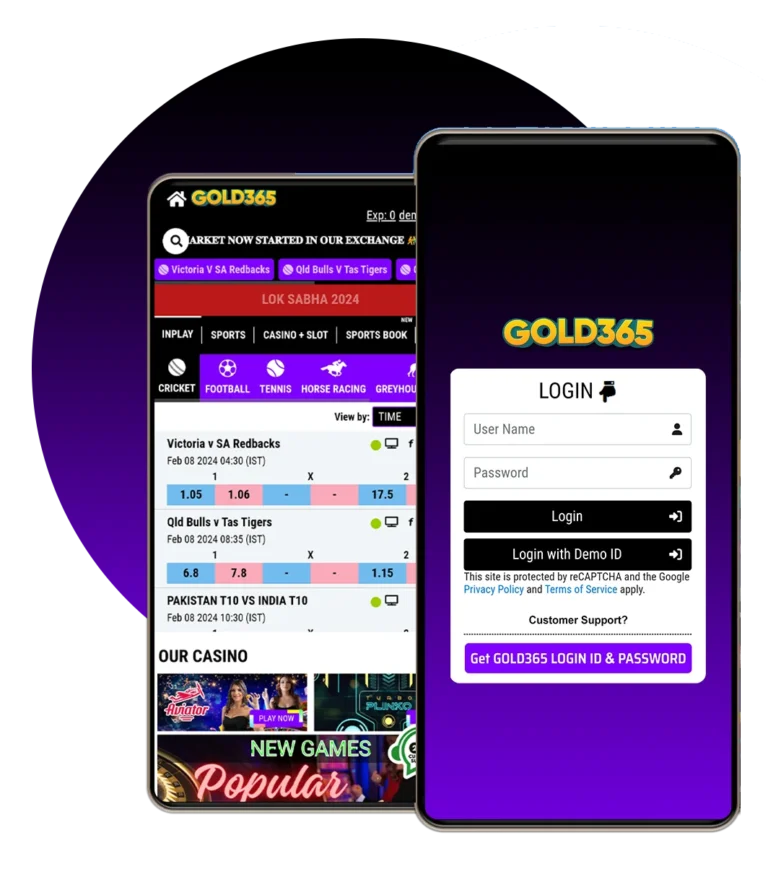
Gold365 employs a two‑factor authentication (2FA) model as the default. After entering the registered email and password, users receive a one‑time passcode (OTP) via SMS or an authenticator app. The platform also supports biometric login (fingerprint or face recognition) on compatible mobile devices, allowing quick access without manual OTP entry. The session timeout is set to 15 minutes of inactivity, after which the user must re‑authenticate.
Tiger Exchange Login
Tiger Exchange offers a flexible login framework. Clients can choose between classic password‑only login, OTP‑based secondary verification, or hardware token (U2F) authentication for heightened security. The platform integrates single sign‑on (SSO) capabilities for institutional clients, enabling them to use corporate identity providers (e.g., Okta or Azure AD). Session persistence is longer—up to 30 minutes—reflecting the platform’s focus on high‑frequency trading where rapid re‑login can hinder performance.
Security Measures
Both platforms employ industry‑standard encryption (TLS 1.3) for data in transit, and at rest they use AES‑256 encryption for stored credentials. Gold365 differentiates itself by mandating 2FA for all users, whereas Tiger Exchange provides 2FA as an optional add‑on but requires mandatory device fingerprinting for API key creation. Additionally, Gold365 implements an AI‑driven fraud detection engine that monitors login patterns in real time, flagging anomalous IP addresses or geolocations. Tiger Exchange relies on a combination of rate‑limiting and manual compliance reviews for suspicious activities.
Mobile App Experience
The Gold365 mobile app mirrors the web experience, offering one‑tap biometric login from the home screen. The app also supports push‑notification approvals for OTP, reducing reliance on SMS carriers—a crucial advantage in regions with unreliable cellular networks. The UI is optimized for both Android and iOS, with dark‑mode support and responsive charting.
Tiger Exchange’s mobile client emphasizes speed. Users can pre‑load credentials and, if desired, disable 2FA for trusted devices (a setting that is discouraged but available). The app provides a “quick‑trade” button that bypasses the full dashboard, allowing traders to execute market orders within seconds of opening the app. However, this convenience can introduce security trade‑offs, especially if the device is compromised.
Account Recovery and Support
When a user cannot access their account, both platforms have distinct pathways. Gold365 offers an automated recovery flow: users click “Forgot Password,” receive a reset link via email, and must also verify identity through a secondary channel (SMS or authenticator app). If the user reports a problem where “gold365 login not working,” a dedicated support ticket can be raised, and a live chat agent will guide the user through additional verification steps.
Tiger Exchange requires callers to provide a verification code sent to a pre‑registered phone number, followed by answering security questions. Their support center operates 24/7, but the recovery process may involve a manual review that can take up to 48 hours for high‑value accounts.
Performance and Speed
Login latency matters most for traders who need to react to market events instantly. Independent latency tests conducted in Q1 2026 show that Gold365’s average login time (from credential entry to dashboard load) is 1.2 seconds on broadband connections, while Tiger Exchange registers an average of 1.8 seconds. The difference is largely due to Tiger Exchange’s additional back‑end compliance checks during authentication.
Both platforms maintain high uptime (>99.9 %) for their authentication servers, thanks to load‑balanced cloud infrastructure across multiple regions. Nonetheless, traders in emerging markets may experience marginally higher latency on Tiger Exchange due to its reliance on legacy data‑center nodes in certain regions.
Customer Support for Login Issues
Gold365 provides multi‑channel assistance: live chat, email, and phone support are all available 24/7. Their knowledge base includes a specific article titled “Troubleshooting Gold365 login not working,” which outlines common causes such as browser cache, expired OTP, or incorrect time settings on the device. The support team can also generate a temporary access code that bypasses 2FA for a limited window, useful when users lose access to their authenticator.
Tiger Exchange’s support model is tiered. Tier 1 handles basic password resets via an automated portal, while Tier 2 addresses 2FA or token‑related problems. The response time for Tier 2 tickets averages 3 hours during business days, extending to 12 hours on weekends. For enterprise clients, a dedicated account manager assists with any login impediment.
Common Issues & Troubleshooting Tips
- Incorrect OTP entry: Ensure your device’s clock is synchronized with internet time; an offset can cause mismatched codes.
- Browser compatibility: Both platforms recommend Chrome, Edge, or Firefox latest versions. Clearing cache and disabling ad‑blockers often resolves loading glitches.
- Biometric failures: Re‑enroll your fingerprint or facial data after a system update, as changes can invalidate stored templates.
- Network restrictions: Corporate firewalls may block authentication ports; using a VPN or contacting IT to whitelist the platform can help.
For Gold365 users encountering persistent problems, referencing the dedicated help article on login errors can accelerate resolution. Meanwhile, Tiger Exchange users should keep their hardware token firmware up to date to avoid compatibility issues.
Regulatory and Compliance Perspective
From a compliance standpoint, Gold365 aligns with the EU’s MiFID II and the US’s Dodd‑Frank regulations, emphasizing strong customer authentication (SCA). Their mandatory 2FA reflects the “strong customer authentication” requirements under PSD2. Tiger Exchange, serving a broader jurisdictional base, complies with Basel III capital standards and incorporates KYC procedures that affect the login flow, especially for high‑net‑worth clients. The extra compliance layers can explain the longer verification times observed during login for certain account tiers.
Pricing and Value Considerations
While login mechanics do not directly influence transaction costs, they affect the overall user experience and therefore the perceived value of the platform. Gold365’s seamless 2FA and quick recovery tools may justify its slightly higher spread on gold pairs for users who prioritize ease of access. Tiger Exchange, offering lower spreads for high‑volume traders, compensates with advanced API access and SSO, appealing to professional shops that can tolerate a modestly longer login process.
Future Outlook (2027 and Beyond)
Both platforms are investing in next‑generation authentication technologies. Gold365 announced a partnership with a leading biometric firm to introduce voice‑recognition login by early 2027. Tiger Exchange plans to incorporate decentralized identity (DID) standards, allowing users to own their credentials across multiple platforms without central storage. These innovations suggest that the login experience will continue to evolve, balancing security, speed, and convenience.
Conclusion
Choosing between Gold365 and Tiger Exchange ultimately hinges on what you value most in a login experience. Gold365 excels in rapid, secure, and user‑friendly authentication, making it ideal for traders who demand immediate access and robust recovery options. Tiger Exchange, while slightly slower at login, offers flexibility for institutional clients, extensive API integration, and competitive pricing for high‑frequency traders. Understanding each platform’s authentication workflow, security posture, and support ecosystem enables you to align your trading style with the right gateway. As the industry moves toward more advanced biometric and decentralized solutions, both platforms appear committed to staying ahead of the curve, ensuring that your next login will be safer, faster, and more intuitive than ever before.