Best Cricket ID Providers Comparison and Selection Guide
Choosing a cricket ID provider is an important decision for users who want convenient access to digital cricket services. Numerous platforms may appear similar at first, but their account security, registration process, customer support and operating policies can differ considerably.
The Best Cricket ID Providers should offer more than an attractive website. A dependable service needs secure account access, transparent rules, clear verification procedures and a responsive interface that works properly across mobile and desktop devices. Users must also be able to identify the business operating the platform and contact its authorised support team when assistance is needed.
A detailed comparison helps users look beyond promotional statements and evaluate the practical quality of each provider. This includes checking how accounts are created, how personal data is managed, what happens when a password is forgotten and whether important terms are available before registration.
Best Cricket ID Providers explains the most useful comparison factors and warning signs. It can help new and existing users evaluate different providers more carefully. If a platform includes real-money services, access should be limited to adults who meet the legal-age requirement and live in a jurisdiction where those services are permitted.
What Is a Cricket ID Provider?
A cricket ID provider is a company or digital service that creates and maintains personal accounts for users. A cricket ID usually contains a username or registered mobile number combined with a private password.
Once registered, users may receive access to cricket information, match schedules, statistics, notifications, account settings and customer-support services. Some platforms may also provide real-money features where legally available.
The provider is responsible for operating the platform, protecting user information and maintaining its account-access systems. It should clearly explain the registration, verification and recovery processes.
Users should distinguish between an official provider and an independent individual advertising IDs through messaging applications or social media. An unauthorised person may not be able to protect personal information or resolve account problems.
Why Comparing Providers Is Necessary
Selecting the first platform shown in a search result or advertisement can expose users to unnecessary risks. A professional design does not automatically prove that a company is dependable.
Providers may use different policies for identity verification, password recovery, account suspension and customer support. A user who does not compare these conditions may discover important restrictions only after registration.
Security standards can also vary. One provider may offer two-factor authentication and login notifications, while another may depend only on a basic password.
Comparison helps users identify which platform offers the best combination of transparency, safety, usability and assistance. It also makes it easier to notice unrealistic claims or missing information.
No provider can guarantee a perfect experience, but careful research can reduce the possibility of avoidable account, privacy and service problems.
Verify the Provider’s Identity
The first comparison factor should be company transparency. A reliable provider should disclose which organisation owns or operates the platform.
Look for a company name, registered address, official email and authorised support channels. These details should be consistent across the website’s contact section, privacy policy and terms and conditions.
If the platform claims to hold a licence, verify the information through the relevant regulator whenever possible. Do not rely only on an image or badge displayed on the provider’s website.
Check the age of the domain and compare it with claims about the company’s operating history. A website registered recently should not claim decades of digital experience without credible supporting information.
Missing ownership details, copied policies or inconsistent contact information should encourage users to investigate further before creating an account.
Check Legal Availability in Your Location
Cricket platforms can provide different types of services, and their legal availability depends on the user’s location. Rules may vary between countries, states and regions.
Before registering, determine which services the provider offers and whether they are permitted in your jurisdiction. The fact that a website can be opened does not automatically mean that every feature is legal locally.
A professional provider should publish eligibility conditions and information about restricted locations. It should also enforce the applicable minimum-age requirement.
Users should never enter false location or identity information to avoid a restriction. Using technical methods to bypass regional controls may breach both local laws and platform terms.
When legal rules are unclear, seek guidance from an appropriate local authority or qualified professional before accessing real-money features.
Compare Website and Account Security
Security is a core quality of the Best Cricket ID Providers. Begin by checking whether the website uses HTTPS to encrypt information transmitted between the user’s device and the platform.
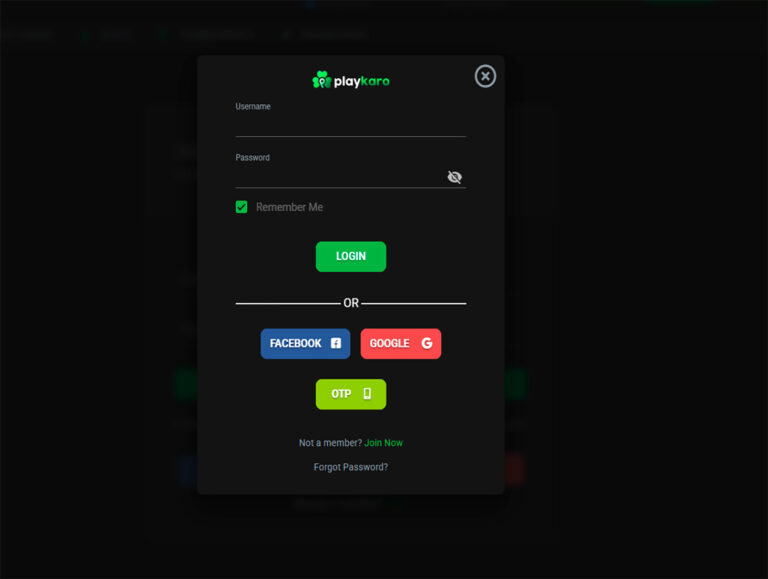
Account security should include a strong password system, OTP verification and secure recovery options. Two-factor authentication offers additional protection and should be enabled when available.
Providers may also offer login alerts, active-session management and confirmation for important account changes. These tools help users notice and stop unauthorised access.
Review the privacy policy to understand what information is collected, why it is required and whether it is shared with service partners. The provider should also explain how users can correct or delete their personal data.
HTTPS alone does not Cricket ID prove that a business is trustworthy. It must be considered alongside ownership information, policies, reputation and support quality.
Evaluate the Registration Process
The registration process should be simple, secure and transparent. Most platforms ask for a name, mobile number, email address, date of birth and password.
A provider should clearly identify which details are compulsory. It should not request excessive personal information without explaining its purpose.
Users should register only through the official website or verified application. Links received from unknown individuals can direct users to imitation registration forms designed to steal information.
Mobile or email verification is normally completed using an OTP or secure link. This code should be entered only on the provider’s official platform.
Compare whether providers allow users to choose their own passwords, update contact information and review the terms before submitting the registration form.
Understand Identity Verification Requirements
Identity verification may be used to confirm account ownership, age and eligibility. Depending on the service, users may need to submit proof of identity, address or ownership of a payment method.
The provider should explain which documents are accepted and how long verification normally takes. It should also provide a protected upload system.
Avoid sending identity documents through an unverified personal messaging number. Sensitive files should be submitted only through the provider’s secure official process.
Check whether verification is completed during registration or required before certain account actions. Understanding the timing helps users avoid unexpected delays.
Details provided during registration should match the verification documents. Incorrect names, dates or addresses can result in additional checks or account restrictions.
Review Login and Recovery Features
Reliable access is essential for any digital account. Compare how each provider handles login, device recognition and forgotten credentials.
A standard sign-in process may require a username or mobile number and password. Stronger systems also use an OTP or authentication application.
The password-recovery option should send a secure link or code to the user’s registered contact method. Support representatives should not ask users to disclose their existing password.
Check whether users can recover an account after losing access to their registered mobile number or email address. The provider should have a defined identity-confirmation process for this situation.
Active-session controls are also valuable. They allow users to review connected devices and end unfamiliar sessions.
Assess Mobile Access and Performance
Most users now access cricket services through smartphones. The platform should therefore provide a responsive design that displays content properly across common screen sizes.
Test loading speed, menu clarity and the accessibility of important controls. Login, account settings, support and security tools should not be difficult to locate.
If an application is available, confirm that it comes from an official source or recognised app marketplace. Avoid unofficial APK files promoted through unknown messages.
Review the permissions requested by the app. Access to unrelated contacts, private messages or device functions may not be necessary.
A quality mobile experience should remain stable across normal network conditions. Frequent crashes, broken buttons and repeated login failures can indicate weak technical performance.
Compare Customer Support
Customer support is one of the strongest indicators of provider quality. A dependable team should offer clear help without requesting confidential credentials.
Compare the available channels, which may include live chat, email, telephone or an official messaging service. Also check the stated support hours.
Test each provider with a basic question before registering. Evaluate the response time, clarity and professionalism of the answer.
A detailed help centre can be useful for routine issues such as password recovery, mobile access and verification. However, users should still have a way to contact a person when automated information does not solve the problem.
Avoid representatives who create unnecessary urgency, demand an OTP or pressure you to transfer money immediately.
Read the Terms and Conditions
Terms and conditions explain how the provider manages eligibility, accounts and service access. Important rules should be available before registration.
Focus on sections covering identity verification, duplicate accounts, inactive accounts, login security, suspension and closure. Users should understand what actions may cause restrictions.
If promotional offers are available, read their separate conditions. Headline claims may not explain usage requirements, limits or expiry periods.
Check how the provider handles disputes and complaints. The terms should identify the applicable legal jurisdiction and any formal resolution process.
Avoid services whose policies are incomplete, difficult to locate or inconsistent with their advertising. Transparent providers make essential rules reasonably clear.
Evaluate Privacy and Data Protection
Account registration may involve sensitive information. Users should understand how each provider protects that data.
The privacy policy should describe the categories of information collected and the purposes for which they are used. It should identify whether third-party technology, verification or support companies process user data.
Look for information about storage periods and account-closure requests. Users should have a way to correct inaccurate details and ask questions about privacy.
Marketing preferences should be adjustable. A provider should not make essential account access dependent on accepting unnecessary promotional communication.
If the policy is extremely vague or copied from an unrelated business, the provider may not have developed appropriate data-protection procedures.
Examine User Reviews Carefully
Independent reviews can provide useful context, but they should never be accepted without evaluation. Some ratings may be fake, sponsored or based on limited experience.
Look for detailed feedback that explains what happened rather than comments containing only general praise or criticism. Repeated observations about login reliability, verification and support are especially useful.
Compare reviews across several sources and consider their dates. An operator’s quality can change over time, making recent feedback more relevant to the current service.
Allow for isolated technical problems or individual misunderstandings. A single negative review does not necessarily prove that a provider is unreliable.
The objective is to identify consistent patterns, not to find a platform with no criticism at all.
Compare Account Management Tools
The account dashboard should make important information easy to find. Users should be able to update contact details, change passwords and review security settings.
Useful tools include active-session management, account-history access, notification preferences and login alerts. Providers should also explain how to close or temporarily deactivate an account.
If real-money features are offered, responsible-use options are essential. These can include deposit limits, session reminders, cooling-off periods and self-exclusion.
The best dashboard is not necessarily the one with the most features. It is the one that presents essential information clearly and gives users meaningful control over their accounts.
Important Warning Signs
An unreliable provider may hide the identity of its operator or publish contact details that cannot be verified. Missing terms and privacy information are also major concerns.
Other warning signs include guaranteed-profit claims, pressure to register quickly and demands for payment through unidentified personal accounts.
Never trust a representative who asks for your password, OTP, banking PIN or complete card-security code. Genuine support should not need these details.
Copied website content, broken policy links and inconsistent domain names may indicate a poorly managed or imitation platform.
Users should also be cautious when a provider unexpectedly changes its account rules or introduces new requirements only after a service request has been made.
A Practical Comparison Checklist
Before selecting a provider, evaluate these points:
- Official company information is clearly displayed
- Legal or licensing claims can be independently verified
- Services are permitted in the user’s jurisdiction
- Registration takes place through a secure official website
- Password and two-factor authentication options are available
- Verification requirements are explained in advance
- Privacy and account policies are accessible
- Mobile performance is stable and easy to navigate
- Customer support uses verified contact channels
- Password recovery follows a secure process
- Account history and security settings are available
- Responsible-use tools can be easily found
- Reviews show a reasonably consistent service record
- The provider avoids unrealistic promises
No single item determines overall quality. Users should choose only after considering the complete picture.
Common Selection Mistakes
Choosing a provider based entirely on an advertisement is a frequent mistake. Promotional visibility does not establish reliability.
Another error is prioritising bonuses over security and support. Promotions can expire, while the provider’s security standards affect the entire account experience.
Users also make mistakes by registering through unknown agents, reusing passwords and skipping the terms. These actions can create avoidable access and privacy risks.
Do not create multiple accounts to test several services without reading their rules. Instead, research providers first and register only when the selected option meets your requirements.
Finally, do not assume that popular always means suitable. The right provider should match your location, security expectations and service needs.
Frequently Asked Questions
How can I identify the Best Cricket ID Providers?
Evaluate company transparency, security, verification, customer support, privacy practices and mobile performance. Important claims should be independently verified.
Is a mobile application necessary?
No. A well-designed mobile website may provide convenient access without a separate app. If an app is offered, download it only from an official source.
Should I share an OTP with customer support?
No. Never disclose an OTP, password, banking PIN or complete security code. Enter verification codes only on the official platform.
Why do cricket ID providers request verification?
Verification may confirm account ownership, identity, age and eligibility. Providers should explain the requirements and protect submitted documents.
Can any provider guarantee returns?
No. Cricket results are uncertain, and no legitimate service can guarantee financial returns. Claims of certain profit should be treated as a warning sign.
Final Thoughts
Finding the Best Cricket ID Providers requires a balanced comparison of security, transparency, usability and support. An attractive design or major promotion should never replace proper research.
Verify the operator, read its policies and confirm that its services are legally available in your location. Examine registration, login recovery, mobile performance and data-protection practices before opening an account.
Choose a provider that gives users control, explains its rules and offers dependable assistance. Adults using real-money features should establish strict limits, protect essential funds and use the available responsible-use tools.
Careful selection cannot guarantee first-class service, but it can help users avoid weak platforms and make a more informed, security-focused decision.